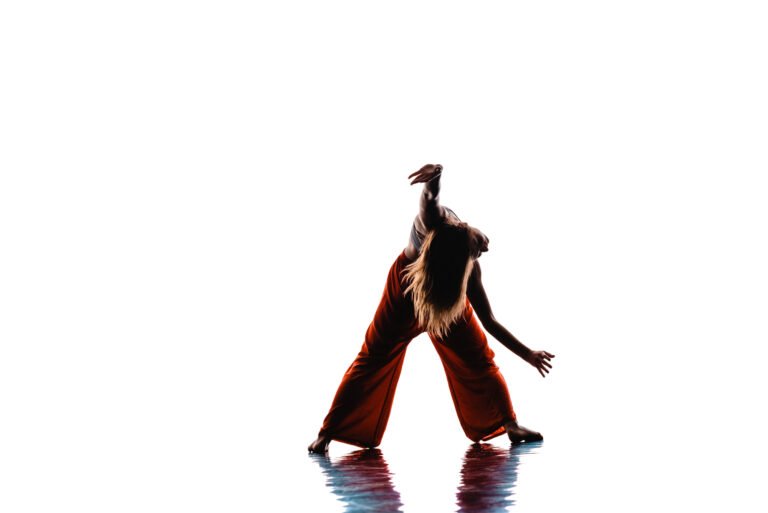

We all have moments when life feels dim. Fatigue settles in, the spark dulls, and even joy seems muted. In yoga philosophy, this dullness isn’t a personal flaw, it’s simply what happens when our inner light becomes clouded.
The Sanskrit word prakāśa (pronounced pra-kah-sha) means illumination or radiance. It refers to the natural luminosity that exists within consciousness itself, the light of awareness that allows us to see clearly, both inwardly and outwardly.
Prakāśa isn’t something we have to create. It’s what’s already there when we soften the noise, release the tension, and reconnect with presence.
The Light Within: Prakāśa
In the Yoga Sutras, Patanjali refers to this quality of luminosity in several places.
- In Sutra 2.18, he describes the world (prakṛti) as consisting of the three guṇas — sattva (clarity), rajas (activity), and tamas (inertia) — all existing for the purpose of illumination (prakāśa), activity, and stability. When sattva is dominant, the mind becomes clear and light, allowing our natural radiance to shine through.
- In Sutra 2.52, Patanjali explains that through deepening breath awareness (prāṇāyāma), “the veil covering the inner light is gradually removed.”
These verses remind us that radiance isn’t found by chasing brightness but by uncovering it. By gently clearing what clouds our perception.
When the nervous system calms, the breath deepens, and the body releases its grip, awareness naturally brightens. The light of prakāśa is simply the experience of being fully present.
The Physiology of Radiance
In modern terms, we might describe prakāśa as a state of nervous system coherence: when the body, mind, and breath move in rhythm.
When we’re anxious or depleted, our sympathetic (“fight or flight”) system dominates, creating a kind of internal fog. Practices that slow the breath, lengthen the exhale, and encourage gentle movement activate the parasympathetic (“rest and digest”) response, improving vagal tone and restoring balance.
Neuroscience shows that in these calm, regulated states, prefrontal activity increases, supporting clarity, empathy, and creativity. The brain literally lights up, mirroring what yogis described thousands of years ago as the re-emergence of inner radiance.
Practicing Prakāśa
You don’t need to force yourself to “feel radiant.” You simply make space for what’s already there.
Practices That Awaken Clarity:
- Gentle Movement
Flow slowly through soft, breath-led movements like Cat-Cow or seated side stretches. Feel your spine lengthen and your breath expand. Movement clears stagnation — physical and emotional — so light can move freely. - Slow, Rhythmic Breathing
Try inhaling for four counts, exhaling for six. The extended exhale signals safety to your body and gradually reveals the calm clarity beneath the day’s busyness. - Inner Reflection
Before sleep or after practice, pause and ask: Where do I feel light within me? It might be a sense of warmth in your chest, a creative idea shining in your mind, or even simply sensing the flow of breath within every cell of your body. That’s prakāśa. Not something to reach for, but something to notice.
Remembering Your Inner Light
In the language of yoga, prakāśa isn’t about shining for others. It’s about becoming clear enough to see ourselves, and the world, without distortion. Each time we breathe with awareness, we allow that natural light to shine through once again.
Radiance isn’t something we earn, it’s what returns when we remember who we truly are.
References
- Patanjali, Yoga Sutra 2.18: “Prakāśa kriyā sthiti śīlam bhūte indriya ātmakam bhoga apavargārtham drśyam” — The seen world is composed of light (prakāśa), activity, and inertia, existing for the purpose of experience and liberation.
- Patanjali, Yoga Sutra 2.52: “Tataḥ kṣīyate prakāśa āvaraṇam” — Then, the covering that obscures the light is removed.